
Complete vs. Partial Dentures: Understanding Your Tooth Replacement Options
Blog:Complete vs. Partial Dentures: Understanding Your Tooth Replacement Options
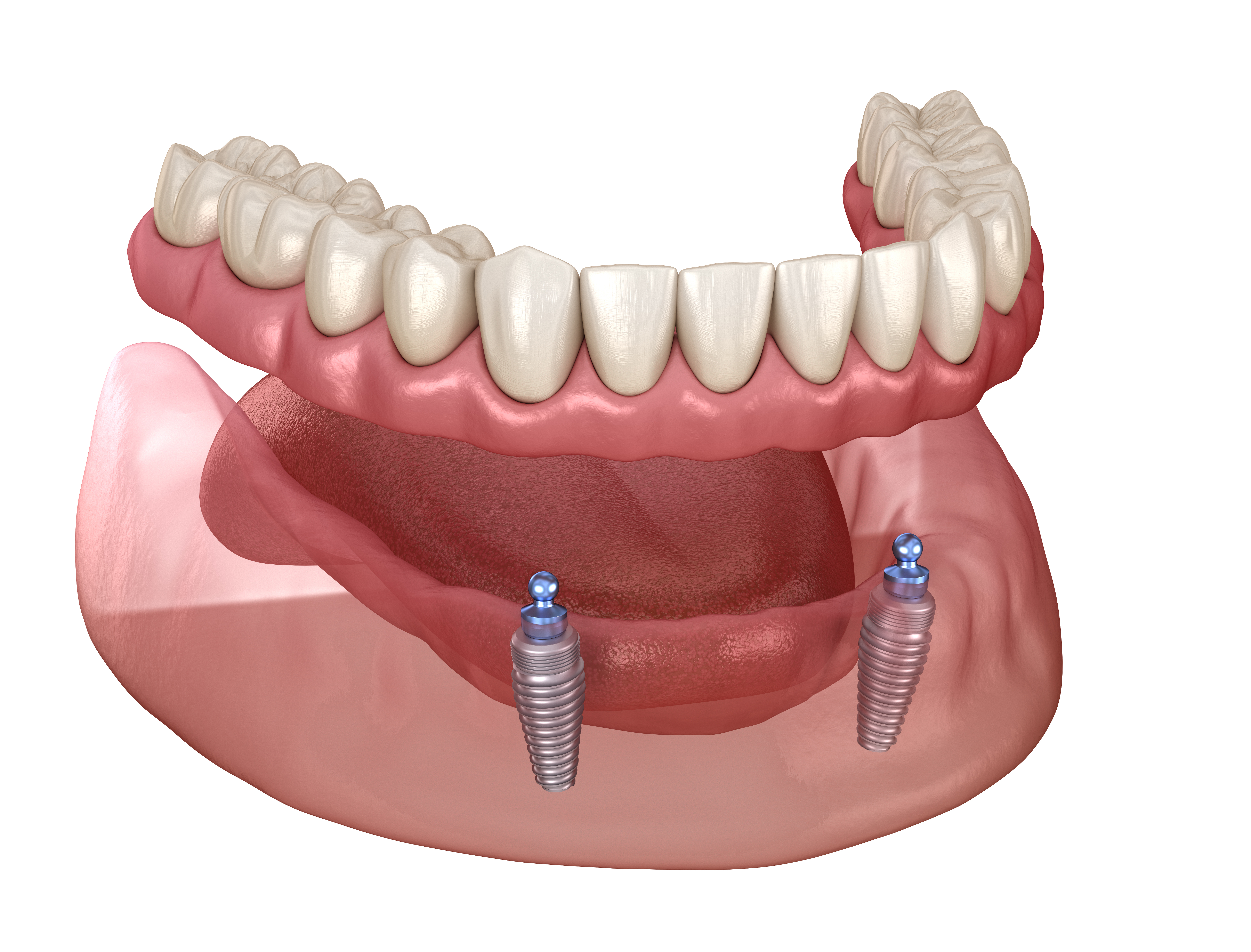
Missing teeth can affect much more than the appearance of your smile. They may make it harder to chew certain foods, speak clearly, and maintain proper bite function. Dentures offer a reliable way to replace missing teeth, but the right type depends on how many natural teeth remain and your overall oral health.
Complete dentures and partial dentures serve different purposes. Understanding the differences can help you know what to expect when discussing tooth replacement options with your dentist.
What Are Complete Dentures?
Complete dentures, sometimes called full dentures, are designed for patients who are missing all of their teeth in the upper jaw, lower jaw, or both. The removable appliance replaces an entire arch of teeth and rests over the gums.
Complete dentures are custom-made to create a comfortable fit and natural-looking appearance. They can restore the ability to chew a wider variety of foods while supporting the lips and cheeks after extensive tooth loss.
The fit of complete dentures can change over time because the jawbone and gum tissues naturally change after teeth are lost. Regular dental visits are important so the fit and condition of the dentures can be evaluated and adjustments can be made when appropriate.
What Are Partial Dentures?
Partial dentures may be recommended when a patient still has several healthy natural teeth. Instead of replacing an entire arch, a partial denture fills the spaces created by missing teeth while working alongside the remaining teeth.
Depending on the design, partial dentures may use clasps or other attachments to help hold the appliance securely in position. In addition to restoring the appearance of the smile, replacing missing teeth can help improve chewing and prevent some of the functional problems associated with larger gaps.
Complete vs. Partial Dentures: Key Differences
Although both options replace missing teeth, there are several important differences:
- Number of missing teeth: Complete dentures replace an entire arch, while partial dentures replace one or several missing teeth.
- Remaining natural teeth: Complete dentures are used when no natural teeth remain in the treated arch. Partial dentures rely on existing teeth for support.
- Design: Complete dentures cover the full dental arch, while partial dentures are designed around the remaining teeth.
- Fit and stability: The way each denture stays in place varies based on oral anatomy, remaining teeth, and the design of the appliance.
- Future dental needs: Changes in the gums, bone, or remaining teeth may require adjustments or replacement over time.
Which Denture Option Is Right for You?
Choosing between complete and partial dentures starts with a thorough evaluation of your teeth, gums, jawbone, bite, and overall oral health. If some natural teeth can remain healthy and functional, a partial denture may provide an effective way to fill the gaps. When an entire arch of teeth is missing or cannot be preserved, complete dentures may be the more appropriate option.
Every patient's needs are different, which is why denture treatment should be individually planned. Proper fit is especially important for comfort, chewing function, and keeping the appliance stable throughout everyday activities.
If you are exploring complete or partial dentures, schedule an appointment with Riley & Han Dental Associates LLC in Boston, MA, at (617) 723-4032 to discuss the tooth replacement option that best fits your needs.
Quick Links
Helpful Articles
article_category: general
article_category: large animal
article_category: contact lenses
article_category: preventative
article_category: FAQ & tips
article_category: vision therapy
article_category: surgical procedures
article_category: eye health
article_category: psychiatry
article_category: eye surgery co-management
article_category: exotic
article_category: health
article_category: restorative
article_category: cats
article_category: services
article_category: technology
article_category: ocular disease management
article_category: eyeglasses
article_category: Aesthetics
article_category: products
article_category: dogs
article_category: conditions
article_category: cosmetic
[]
article_category: large animal
article_category: contact lenses
article_category: preventative
article_category: FAQ & tips
article_category: vision therapy
article_category: surgical procedures
article_category: eye health
article_category: psychiatry
article_category: eye surgery co-management
article_category: exotic
article_category: health
article_category: restorative
article_category: cats
article_category: services
article_category: technology
article_category: ocular disease management
article_category: eyeglasses
article_category: Aesthetics
article_category: products
article_category: dogs
article_category: conditions
article_category: cosmetic
[]
Flowbite is an open-source library of interactive components built on top of Tailwind CSS including buttons, dropdowns, modals, navbars, and more.
Check out this guide to learn how to get started and start developing websites even faster with components on top of Tailwind CSS.

All Dental Services
We offer a wide variety of dental services to the Boston community. Contact us with any questions about our services.

Keep In Touch
For non-urgent questions or to learn more about our services, contact us today!
© 2026 Riley & Han Dental Associates LLC. All rights Reserved - Accessibility Statement - Privacy Policy - Sitemap
Managed and Designed by 