
Periodontitis and Dental Implants: When to Save Teeth and When to Replace Them
Blog:Periodontitis and Dental Implants: When to Save Teeth and When to Replace Them
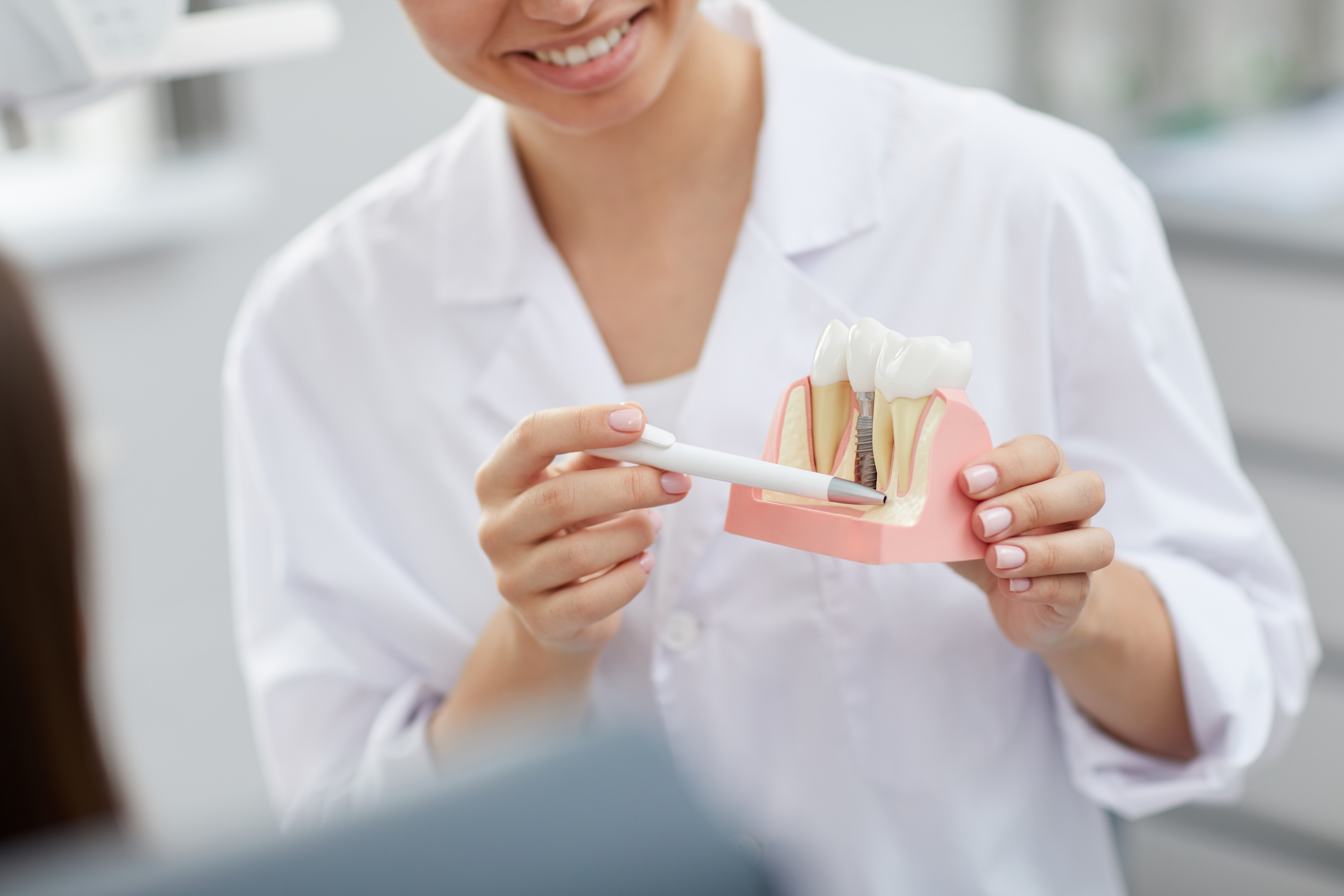
Periodontitis is an advanced form of gum disease that can damage the tissues and bone supporting your teeth. As the condition progresses, teeth may become loose, painful, or difficult to maintain. If you are dealing with severe gum disease, you may wonder whether treatment can preserve your natural teeth or whether dental implants are a better option. At Riley & Han Dental Associates in Boston, MA, we evaluate each patient's oral health to determine the most appropriate treatment approach.
How Periodontitis Affects Your Teeth
Periodontitis develops when inflammation and bacterial buildup damage the gums and supporting structures of the teeth. Common symptoms include bleeding gums, gum recession, persistent bad breath, and changes in tooth stability.
Without treatment, the disease can lead to significant bone loss and eventual tooth loss. However, not every tooth affected by periodontitis needs to be extracted.
During an examination, we assess gum health, measure periodontal pockets, evaluate tooth mobility, and review dental X-rays to determine the extent of damage.
When Can Natural Teeth Be Saved?
Preserving natural teeth is often preferable when they have sufficient support and can be maintained successfully. Even patients with moderate or advanced periodontitis may benefit from periodontal treatment designed to control infection and prevent further damage.
Treatment may include scaling and root planing, which removes plaque and tartar from below the gumline. In certain cases, additional periodontal procedures may be recommended to address deeper pockets or damaged supporting tissues.
The decision to save a tooth depends on the severity of bone loss, remaining tooth structure, and response to treatment. Regular periodontal maintenance is also essential for managing the condition over time.
When Are Dental Implants the Better Option?
Sometimes, periodontal damage becomes too extensive for a natural tooth to remain stable or functional. In these situations, tooth extraction followed by dental implant treatment may be considered.
Several factors can influence this decision:
· Severe bone loss: Extensive deterioration of the supporting bone can compromise tooth stability.
· Significant tooth mobility: Teeth that have become extremely loose may have a poor long-term prognosis.
· Additional tooth damage: Deep fractures or extensive decay may make saving the affected tooth more difficult.
· Long-term predictability: When periodontal treatment is unlikely to maintain a functional tooth, replacement may be more appropriate.
Dental implants provide a way to replace missing teeth by supporting restorations such as crowns or bridges. However, implant candidacy depends on the condition of the gums, jawbone, and overall oral health.
Why Periodontal Health Matters Before Dental Implants
Dental implants require healthy supporting tissues. Patients with active periodontitis generally need periodontal treatment before implant placement to reduce the risk of complications.
A history of gum disease can also increase the risk of peri-implantitis, an inflammatory condition that damages the tissues and bone surrounding an implant.
At our Boston dental practice, we consider both periodontal health and restorative needs when developing treatment plans. Our experience in periodontics and prosthodontics allows us to assess tooth preservation and replacement options while prioritizing long-term oral health.
If you are experiencing advanced gum disease or wondering whether dental implants are right for you, schedule a consultation with Riley & Han Dental Associates in Boston, MA, by calling (617) 723-4032 to explore your treatment options.
Quick Links
Helpful Articles
article_category: restorative
article_category: cats
article_category: services
article_category: technology
article_category: ocular disease management
article_category: eyeglasses
article_category: general
article_category: large animal
article_category: contact lenses
article_category: preventative
article_category: FAQ & tips
article_category: vision therapy
article_category: surgical procedures
article_category: eye health
article_category: psychiatry
article_category: eye surgery co-management
article_category: exotic
article_category: health
article_category: Aesthetics
article_category: products
article_category: dogs
article_category: conditions
article_category: cosmetic
[]
Flowbite is an open-source library of interactive components built on top of Tailwind CSS including buttons, dropdowns, modals, navbars, and more.
Check out this guide to learn how to get started and start developing websites even faster with components on top of Tailwind CSS.

All Dental Services
We offer a wide variety of dental services to the Boston community. Contact us with any questions about our services.

Keep In Touch
For non-urgent questions or to learn more about our services, contact us today!
© 2026 Riley & Han Dental Associates LLC. All rights Reserved - Accessibility Statement - Privacy Policy - Sitemap
Managed and Designed by 